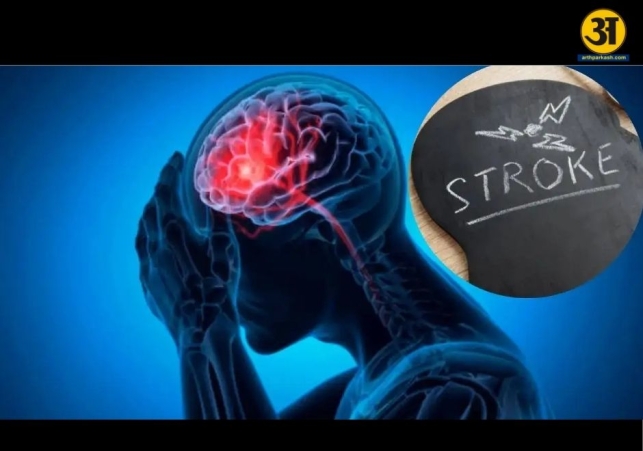
8 stroke myths younger people should stop believing
Why strokes can strike at any age: 8 common myths busted
It often begins with something that feels too small to worry about—a dizzy spell, a slurred word, or a smile that doesn’t quite lift. Many people dismiss these as fatigue or stress. But these early signs could be your brain sending a distress signal. Strokes rarely announce themselves loudly; they strike suddenly, often in silence. Understanding the truth about strokes—and breaking free from the myths that surround them—can make the difference between life and death.
Common myths and the real facts
Myth 1: Stroke only happens to older individuals
Fact: While older adults are more at risk, strokes can affect anyone, even those in their 20s, 30s, or 40s. According to regenerative medicine expert Dr. Pradeep Mahajan, today’s younger population faces stroke risks due to lifestyle factors like chronic stress, lack of sleep, smoking, alcohol consumption, poor diet, high blood pressure, and diabetes. The misconception that “I’m too young for this” prevents many from taking early symptoms seriously.
Myth 2: A stroke is the same as a heart attack
Fact: A heart attack affects the heart; a stroke affects the brain. A stroke happens when blood flow to part of the brain is cut off, either due to a blockage or a burst blood vessel. This interruption deprives brain cells of oxygen and nutrients, causing them to die within minutes. That’s why immediate medical attention is critical.
Myth 3: It’s okay to wait and see if symptoms go away
Fact: Every minute counts. After a stroke begins, millions of brain cells can die each minute without treatment. If you notice symptoms—facial drooping, arm weakness, slurred speech—seek emergency help right away. The “FAST” rule can help: Face drooping, Arm weakness, Speech difficulty, Time to call for help. Acting quickly can save a life and minimize long-term disability.
Myth 4: Strokes can’t be treated
Fact: Modern medicine offers several life-saving treatments when given in time. Clot-busting drugs and advanced surgical procedures can restore blood flow if administered within a few hours of the stroke. In some cases, regenerative therapies can further help with recovery and brain repair. Quick action remains the key to a better outcome.
Myth 5: Once a stroke happens, recovery isn’t possible
Fact: Many people recover fully or partially after a stroke, especially with early intervention and rehabilitation. Physiotherapy, occupational therapy, and speech therapy can help patients regain strength, coordination, and communication. Innovative approaches like regenerative medicine, as practiced at specialized centers, are showing promise in speeding up recovery and restoring brain function.
Myth 6: Strokes happen suddenly without warning
Fact: Strokes can occur suddenly, but sometimes the body gives early warning signs called mini-strokes or Transient Ischemic Attacks (TIAs). These episodes cause temporary stroke-like symptoms that may fade within minutes or hours. However, they should never be ignored—they are often a warning that a major stroke could follow soon. Immediate medical evaluation can prevent a bigger event.
Myth 7: Recovery is only about taking medicine
Fact: Medicine alone isn’t enough. Stroke recovery involves a combination of treatments—medications, physical rehabilitation, brain retraining, and lifestyle changes. Support from family and caregivers also plays a vital role in emotional and physical healing. A positive environment can help patients rebuild confidence and independence.
Myth 8: Strokes cannot be prevented
Fact: Up to 80% of strokes are preventable through healthy habits and regular medical check-ups. Managing blood pressure, cholesterol, and diabetes is crucial. Quitting smoking, limiting alcohol, staying physically active, eating a balanced diet, and maintaining a healthy weight significantly lower stroke risk. Stress management—through meditation, sleep, or therapy—also strengthens heart and brain health.
ALSO READ: Scientists uncover unexpected connection between premature greying and cancer risk
ALSO READ: Indian forces showcase integrated war readiness in massive Trishul exercise
A new approach to stroke recovery
Medical science continues to evolve with new therapies designed to heal brain tissue damaged by strokes. Regenerative and stem cell treatments, combined with physiotherapy and neuro-rehabilitation, are being explored for their ability to:
-
Reduce inflammation and promote natural healing
-
Improve communication between nerve cells
-
Accelerate recovery and restore mobility
These treatments, along with early diagnosis and consistent care, are helping stroke patients regain their quality of life faster than before.
Ultimately, stroke awareness is not just about recognizing symptoms—it’s about taking responsibility for your brain health. Knowing the warning signs, acting quickly, and living a balanced lifestyle can prevent tragedy. A stroke is a medical emergency, but with awareness, timely help, and the right treatment, it doesn’t have to be a life sentence.
Related News